
Embarking on the journey to a straighter smile with Invisalign is a significant decision, and understanding the financial implications is crucial. “How much does Invisalign cost” is often the first question on prospective patients’ minds, and for good reason. This guide delves deep into the multifaceted aspects of Invisalign pricing, exploring the factors that influence the total cost, comparing it to traditional braces, and uncovering strategies to make this investment in your smile more accessible.
From the initial consultation to the final retainer, we’ll dissect the various components that contribute to the overall expense. We’ll examine the role of insurance, the availability of financing options, and the potential for hidden costs. Whether you’re considering Invisalign or simply curious about the investment, this comprehensive analysis provides the insights needed to make an informed decision.
Understanding the fundamentals of Invisalign treatment is crucial for prospective patients
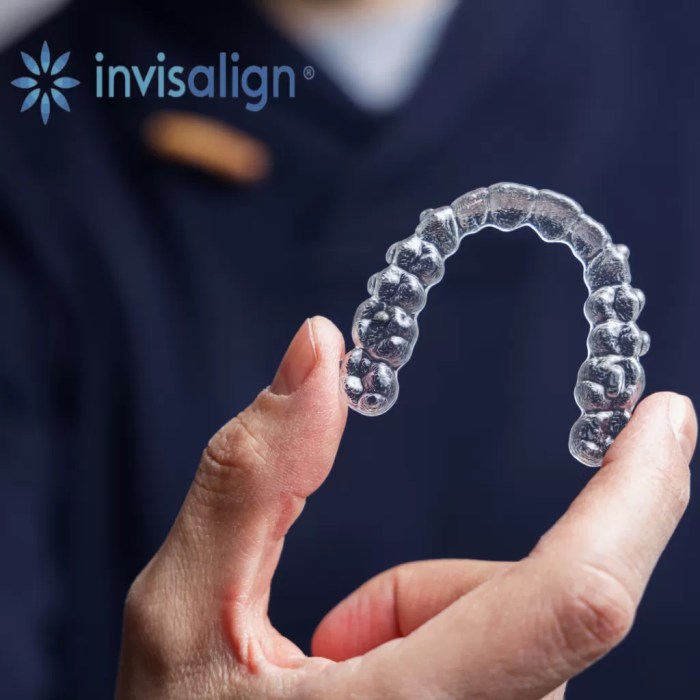
Invisalign, a popular alternative to traditional braces, offers a discreet and often more comfortable way to straighten teeth. Before committing to treatment, understanding how it works and what to expect is paramount. This knowledge empowers patients to make informed decisions and sets realistic expectations for their journey toward a straighter smile.
How Invisalign Shifts Teeth
Invisalign utilizes a series of clear, custom-made aligners that gently shift teeth over time. These aligners are made from a strong, medical-grade thermoplastic material. The process begins with a digital scan or impression of the patient’s teeth. This data is then used to create a 3D model, allowing the orthodontist to plan the precise movements needed to achieve the desired result. Each aligner is designed to move the teeth incrementally. Patients wear each set of aligners for approximately one to two weeks, before switching to the next set in the series.
The aligners apply controlled force to specific teeth, gradually guiding them into the correct positions. The precise design of each aligner is crucial. It’s the result of advanced computer modeling and orthodontic expertise. The aligners are removable, allowing patients to eat, brush, and floss normally. This is a significant advantage over traditional braces, which require dietary restrictions and more complex oral hygiene routines. Regular check-ups with the orthodontist are necessary to monitor progress and make any necessary adjustments to the treatment plan. This ensures the teeth are moving as planned and addresses any potential issues that may arise. The entire process, from the initial consultation to the final result, typically takes anywhere from several months to a couple of years, depending on the complexity of the case. The success of Invisalign relies heavily on patient compliance; the aligners must be worn for at least 20-22 hours per day to achieve the desired outcome.
Key Benefits of Invisalign Compared to Traditional Braces
Invisalign offers several advantages over traditional braces, making it an attractive option for many seeking orthodontic treatment.
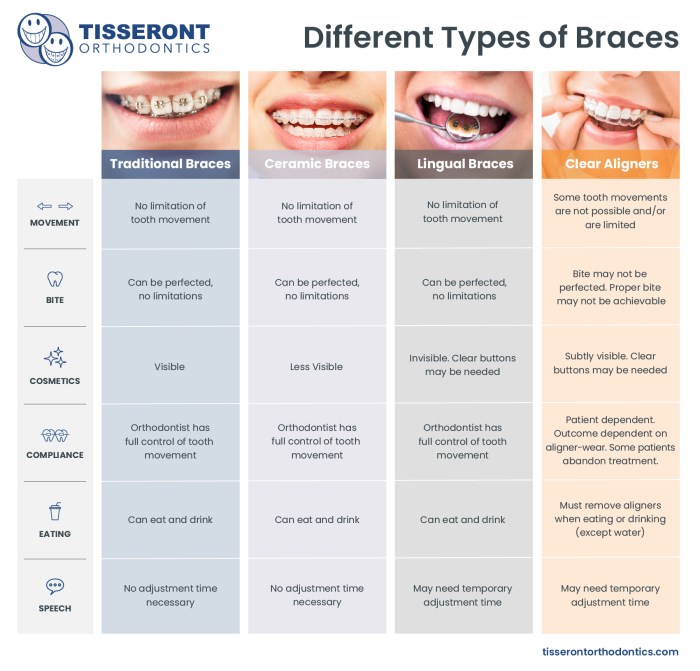
- Aesthetics: The clear aligners are virtually invisible, allowing patients to straighten their teeth without the noticeable appearance of metal brackets and wires. This can be particularly appealing to adults and teenagers who may be self-conscious about their appearance.
- Comfort: Invisalign aligners are made from smooth plastic, eliminating the sharp edges and wires associated with traditional braces. This reduces the likelihood of mouth irritation and discomfort.
- Removability: Patients can remove the aligners for eating, brushing, and flossing, making it easier to maintain good oral hygiene and enjoy a wider range of foods.
- Convenience: Fewer follow-up appointments are typically required with Invisalign compared to traditional braces, as adjustments are built into the aligner design.
- Predictability: The use of advanced digital technology allows for a more predictable treatment outcome, and patients can often see a virtual representation of their final smile before treatment begins.
Example Scenario: Initial Invisalign Consultation
A typical initial consultation for Invisalign involves a thorough assessment of the patient’s oral health and orthodontic needs. The orthodontist begins by reviewing the patient’s dental history and discussing their concerns and goals for treatment. A physical examination is then performed, including an assessment of the patient’s bite, the alignment of their teeth, and the overall health of their gums and jaw.
The next step usually involves taking digital scans or impressions of the patient’s teeth. These scans are used to create a 3D model of the patient’s mouth. This model is essential for planning the Invisalign treatment. The orthodontist uses the 3D model to develop a customized treatment plan, which includes a series of aligners designed to gradually shift the teeth into the desired position.
The orthodontist will also explain the treatment process in detail, including the estimated duration of treatment, the frequency of aligner changes, and the importance of wearing the aligners for the recommended amount of time each day. The cost of the treatment is discussed, along with payment options and insurance coverage. The orthodontist will often show the patient a digital simulation of their teeth moving, using ClinCheck software. This allows the patient to visualize the expected outcome of the treatment. The patient will also have the opportunity to ask questions and express any concerns they may have. This initial consultation is crucial for establishing a clear understanding of the treatment process and setting realistic expectations.
Factors that significantly influence the total cost of Invisalign treatment are numerous
Invisalign treatment, while offering a discreet alternative to traditional braces, comes with a price tag that varies considerably. Several factors contribute to this variability, making it essential for prospective patients to understand the elements that drive the overall cost. These factors range from the complexity of the dental issues to the location of the orthodontic practice and the orthodontist’s expertise.
Variables impacting the total cost
The total cost of Invisalign treatment is not a fixed amount; it’s a dynamic figure influenced by a multitude of variables. Understanding these influences is crucial for patients planning their treatment and budgeting accordingly.
- Complexity of the Case: This is perhaps the most significant determinant of cost. Cases are categorized based on the severity of the misalignment, spacing, and bite issues. More complex cases, involving significant rotations, severe crowding, or major bite problems, require more aligners, longer treatment durations, and more frequent check-up appointments. For instance, a patient with a simple case of minor spacing might require only a few sets of aligners, whereas a patient with a severe overbite and crowding might need many more, leading to a substantial increase in cost.
- Geographic Location: The cost of living and operational expenses in a particular region significantly impact the fees charged by dental practices. Orthodontic practices in major metropolitan areas, where real estate and labor costs are higher, often charge more for Invisalign treatment compared to practices in smaller towns or rural areas. This is due to the higher overhead costs associated with running a practice in these locations. For example, a practice in Manhattan may have higher rental costs than a practice in a suburban area, leading to higher treatment fees.
- Orthodontist’s Experience and Expertise: The experience and reputation of the orthodontist also play a role in determining the cost. Highly experienced orthodontists, particularly those with specialized training or a strong track record of successful Invisalign cases, may charge more for their services. Their expertise allows them to handle complex cases more effectively, potentially leading to better treatment outcomes. Furthermore, orthodontists who have achieved Diamond or Platinum Invisalign provider status are often considered highly experienced and may command higher fees.
- Additional Procedures: In some cases, Invisalign treatment may require additional procedures, such as attachments (small tooth-colored bumps that help the aligners grip the teeth), interproximal reduction (IPR) to create space, or the use of elastics. These additional procedures add to the overall cost of treatment. For example, if a patient requires IPR to address crowding, this will be an additional charge.
- Type of Invisalign Package: Different Invisalign packages may offer varying levels of service and support. Some packages may include more frequent check-up appointments, refinements (additional aligners to fine-tune the results), and retainers. These comprehensive packages usually cost more than basic packages.
Cost variations based on treatment complexity
Treatment costs are segmented into varying degrees of complexity.
| Treatment Complexity | Estimated Price Range | Description | Example |
|---|---|---|---|
| Simple | $3,000 – $4,500 | Involves minor adjustments, such as slight spacing or mild crowding. Typically requires fewer aligners and a shorter treatment duration. | A patient with a single slightly rotated tooth or minor gaps between the front teeth. |
| Moderate | $4,500 – $6,000 | Addresses moderate crowding, spacing, or bite issues. Requires a moderate number of aligners and a moderate treatment duration. | A patient with moderate crowding across several teeth or a slight overbite. |
| Complex | $6,000 – $8,000 | Involves significant crowding, severe spacing, or more complex bite problems. Requires a larger number of aligners and a longer treatment duration. | A patient with severe crowding, a noticeable underbite, or a significant overjet. |
| Comprehensive | $7,000 – $9,000+ | Addresses comprehensive orthodontic needs, including severe malocclusion and complex bite corrections. It often involves the most aligners and the longest treatment duration. | A patient with a severe malocclusion, requiring extensive bite correction and adjustments to both arches. |
Payment options and financing plans
To make Invisalign more accessible, dental practices frequently offer various payment options. These options help patients manage the financial burden associated with the treatment.
- Payment Plans: Many practices offer in-house payment plans, allowing patients to spread the cost of treatment over a set period, typically ranging from 12 to 36 months. These plans often involve a down payment and monthly installments, making the treatment more affordable.
- Third-Party Financing: Patients can also explore financing options through third-party companies specializing in healthcare financing. These companies often offer various loan terms and interest rates, allowing patients to find a plan that fits their budget. Examples include CareCredit and LendingClub.
- Insurance Coverage: Some dental insurance plans cover a portion of the cost of Invisalign treatment. Patients should check with their insurance provider to determine the extent of their coverage and any limitations that may apply. This can significantly reduce the out-of-pocket expenses.
The comparison between Invisalign and traditional braces regarding financial aspects is very important
Understanding the financial implications of orthodontic treatment is a crucial step in making an informed decision. Both Invisalign and traditional braces offer effective solutions for teeth alignment, but their cost structures differ significantly. This comparison analyzes the overall costs, maintenance expenses, and long-term value associated with each treatment option, providing a clear picture for prospective patients.
Comparing Overall Costs: Invisalign vs. Traditional Braces
The initial cost of Invisalign generally ranges from $3,000 to $8,000, while traditional braces typically cost between $3,000 and $7,000. However, these figures represent the starting point, and several factors can influence the final price. The complexity of the case, the geographic location of the orthodontist, and the specific materials used (e.g., ceramic brackets) all contribute to the total cost. Invisalign often involves higher initial fees due to the advanced technology and customized aligners, although the treatment duration can sometimes be shorter, impacting the overall expense. Traditional braces might have a slightly lower initial cost, but the total cost can increase due to longer treatment times and more frequent adjustments.
Beyond the initial fees, potential maintenance costs are another critical consideration. With traditional braces, patients typically need monthly check-up appointments for adjustments, which can range from $100 to $300 per visit. These appointments are crucial for tightening the wires and ensuring the teeth move as planned. Invisalign, on the other hand, usually requires fewer in-person appointments, with check-ups often spaced further apart. However, patients may need to replace lost or damaged aligners, which can incur additional costs. The frequency and severity of these incidents depend on the patient’s compliance and lifestyle. For example, a patient who frequently removes their aligners for eating might be more prone to misplacing or damaging them.
Additional expenses can arise in both treatment methods. For braces, these might include emergency appointments for broken brackets or wires, which can cost anywhere from $50 to $200 per visit. Invisalign patients may need refinements, which involve creating new aligners to address any remaining alignment issues after the initial treatment. The cost of refinements can range from a few hundred to a couple of thousand dollars, depending on the extent of the adjustments needed.
Real-world examples of hidden costs are often overlooked during the initial consultation. Consider these scenarios:
- Retainer Fees: Both Invisalign and braces require retainers to maintain the results. Retainers can be fixed (bonded to the teeth) or removable. Removable retainers need to be replaced periodically, costing between $100 and $500 per retainer, depending on the type and material.
- Emergency Appointments: Braces patients may experience broken brackets or wires that require immediate attention. Emergency appointments can add to the overall cost, typically ranging from $50 to $200 per visit.
- Replacement Aligners: Invisalign patients who lose or damage their aligners face replacement costs. Each replacement aligner set can cost hundreds of dollars, especially if the patient is nearing the end of their treatment.
The long-term value of each treatment extends beyond the initial price tag. Invisalign offers the advantage of being nearly invisible, potentially boosting self-esteem during the treatment period. Traditional braces, while more noticeable, are sometimes more effective for complex cases. Both treatments improve oral health by correcting malocclusion, which can prevent future dental problems like tooth decay, gum disease, and temporomandibular joint (TMJ) disorders. The impact on oral health and the likelihood of future dental work should be weighed against the initial cost. For instance, investing in a more expensive treatment that results in a healthier, more stable bite could save money on dental procedures down the line. A straight smile is an investment in long-term oral health and overall well-being.
Geographic location has a notable effect on the price of Invisalign
Understanding the impact of geographic location on Invisalign costs is essential for informed financial planning. The price of this orthodontic treatment can fluctuate significantly depending on where you reside, reflecting variations in cost of living, competition among providers, and local market dynamics.
Cost Variations Based on Location
The cost of Invisalign treatment is not uniform across the United States. It’s crucial to understand these regional discrepancies.
Consider the contrasting scenarios of New York City and a smaller town in rural Iowa. In a major metropolitan area like New York City, where the cost of living is substantially higher, Invisalign treatment can range from $5,000 to $9,000 or even more, depending on the complexity of the case and the orthodontist’s fees. This higher cost is influenced by several factors: elevated real estate prices, which impact office overhead; higher salaries for staff, and greater demand leading to potentially higher prices.
Conversely, in a smaller town in Iowa, Invisalign might cost between $3,500 and $6,000. While the treatment itself is identical, the lower overhead costs for the orthodontist, combined with potentially less competition and a lower cost of living, translate into a more affordable price point for patients. The patient in Iowa might benefit from lower insurance premiums, too, further reducing the overall expense.
Strategies for Affordable Treatment
Several approaches can help patients find affordable Invisalign options in their specific geographic area.
- Researching Multiple Practices: Thorough research is critical. Patients should obtain consultations from several orthodontists in their area. This allows for a comparison of pricing, treatment plans, and payment options. Some practices may offer introductory discounts or promotions.
- Seeking Out Promotions and Payment Plans: Look for practices that offer special promotions, discounts, or flexible payment plans. Some orthodontists provide interest-free financing options, which can significantly reduce the upfront financial burden. Additionally, check for seasonal promotions or partnerships with dental insurance providers.
Exploring the possibility of insurance coverage for Invisalign is very important
Dental insurance can significantly offset the cost of Invisalign, making the treatment more accessible. Understanding the specifics of your insurance plan is critical to maximizing your benefits and minimizing out-of-pocket expenses. This section explores how insurance coverage works, how to determine your eligibility, and what questions to ask your provider.
Role of Dental Insurance in Covering Invisalign Costs
Dental insurance policies vary widely in their coverage for orthodontic treatments like Invisalign. Some plans offer substantial coverage, while others provide only limited benefits or none at all. The extent of coverage often depends on the type of plan you have.
The most common types of plans that may cover Invisalign include:
* Preferred Provider Organization (PPO) Plans: PPOs typically offer the broadest coverage and allow you to see any dentist or orthodontist, although you may pay less if you choose a provider within the network. These plans often include a percentage of orthodontic treatment costs, up to a lifetime maximum. For example, a PPO might cover 50% of orthodontic treatment costs, with a lifetime maximum benefit of $1,500.
* Health Maintenance Organization (HMO) Plans: HMOs usually require you to choose a primary care dentist who refers you to specialists within the network. Coverage for orthodontics under HMOs can be more restrictive and may require pre-authorization. Benefits might be limited to specific providers or have a lower coverage percentage.
* Dental Savings Plans: These plans are not insurance but offer discounts on dental services. While they may not cover Invisalign directly, they can reduce the overall cost through negotiated fees.
* Government-Sponsored Plans: Medicaid and CHIP (Children’s Health Insurance Program) may offer orthodontic coverage for children if they meet certain eligibility criteria. Coverage varies by state. Medicare typically does not cover orthodontic treatment.
Limitations that might apply to Invisalign coverage often include:
* Annual or Lifetime Maximums: Many plans have a maximum dollar amount they will pay for orthodontic treatment. Once this limit is reached, you are responsible for the remaining costs.
* Waiting Periods: Some plans impose a waiting period before orthodontic benefits become available. This means you may need to wait several months after enrolling in the plan before you can begin Invisalign treatment and receive coverage.
* Pre-authorization Requirements: Some insurance companies require pre-authorization before covering Invisalign. Your orthodontist must submit a treatment plan to the insurance company for approval.
* Age Restrictions: Some plans may limit orthodontic coverage to individuals under a certain age, such as 19 or 26.
* Exclusions: Certain conditions or treatments may be excluded from coverage. It’s essential to review your policy documents carefully.
Determining Insurance Coverage for Invisalign
To determine if your insurance plan covers Invisalign, follow these steps:
1. Review Your Policy Documents: Carefully read your insurance policy, paying close attention to the section on orthodontic benefits. Look for information on coverage percentages, annual or lifetime maximums, waiting periods, and any exclusions.
2. Contact Your Insurance Provider: Call your insurance company’s customer service line. Have your policy information ready, and ask specifically about Invisalign coverage. The insurance company can provide the most accurate and up-to-date information about your benefits.
3. Consult with Your Orthodontist: Your orthodontist’s office staff can often assist with verifying your insurance benefits and submitting claims. They have experience working with various insurance plans and can provide guidance on your coverage.
4. Obtain a Pre-Authorization: If your insurance plan requires pre-authorization, your orthodontist will submit the necessary documentation to the insurance company. This process ensures that the insurance company approves the treatment plan before you begin Invisalign.
5. Understand Your Financial Responsibility: After verifying your benefits, your orthodontist will provide you with an estimated cost for your Invisalign treatment, including your out-of-pocket expenses. This helps you plan your budget.
Key Questions for Insurance Providers
To clarify your coverage for Invisalign treatment, ask your insurance provider the following questions:
* What is the coverage percentage for orthodontic treatment? Determine the percentage of the cost the insurance company will cover.
* What is the lifetime maximum benefit for orthodontics? Find out the maximum amount the insurance company will pay for orthodontic treatment during your lifetime.
* Is pre-authorization required for Invisalign? Confirm whether you need pre-authorization before starting treatment.
* Are there any waiting periods or age restrictions that apply to my plan? Understand any time constraints or eligibility requirements.
Various methods of financing Invisalign treatments should be considered
Securing financing for Invisalign treatment is a critical aspect of making it accessible. Understanding the various options available allows prospective patients to make informed decisions and manage the financial commitment effectively. Careful consideration of these financing avenues ensures that patients can prioritize their oral health without undue financial strain.
Financing Options for Invisalign
Several financing options exist to make Invisalign more affordable. These include payment plans offered by dental practices, third-party financing companies, and personal loans. Each option has unique features and implications, so a thorough evaluation is essential.
- Payment Plans Offered by Dental Practices: Many dental practices provide in-house payment plans. These plans often involve setting up monthly installments directly with the practice.
- Advantages: Typically, these plans have lower interest rates or even offer interest-free options, especially for shorter repayment terms. They often have flexible terms tailored to the patient’s financial situation.
- Disadvantages: The availability and terms vary significantly between practices. The total cost might be slightly higher than with other financing options, depending on the interest rate.
- Third-Party Financing Companies: Companies specializing in healthcare financing offer loans specifically for medical and dental procedures, including Invisalign.
- Advantages: These companies often provide competitive interest rates and various repayment terms. They might offer higher loan amounts than what a dental practice can provide.
- Disadvantages: Credit checks are standard, and interest rates can vary depending on the applicant’s creditworthiness. There might be origination fees or other associated charges.
- Personal Loans: Personal loans from banks, credit unions, or online lenders can be used to finance Invisalign treatment.
- Advantages: Patients can often secure a fixed interest rate and a predictable monthly payment schedule. They have the flexibility to choose a lender that offers favorable terms.
- Disadvantages: Interest rates can be higher than those offered by dental practice payment plans, especially for those with lower credit scores. Loan approval depends on credit history and financial stability.
Comparison of Financing Methods
Comparing financing options side-by-side helps patients assess the most suitable choice. The following table provides a comparison of three common financing methods: dental practice payment plan, a third-party financing company, and a personal loan.
| Financing Method | Interest Rate | Repayment Terms | Associated Fees |
|---|---|---|---|
| Dental Practice Payment Plan | 0% – 10% (depending on the practice and repayment period) | 6 – 24 months (flexible depending on the practice) | May include late payment fees; some plans have no fees |
| Third-Party Financing Company | 6% – 20% (depending on credit score and loan terms) | 12 – 60 months (loan terms can vary) | Origination fees, late payment fees |
| Personal Loan | 7% – 25% (depending on credit score and lender) | 12 – 60 months (loan terms can vary) | Origination fees, prepayment penalties (may vary by lender), late payment fees |
Assessing Suitability of Financing Options
Determining the best financing option requires evaluating individual financial circumstances. Factors such as credit score and monthly budget play a significant role.
- Credit Score: A higher credit score generally leads to lower interest rates. Patients with excellent credit may qualify for the most favorable terms, especially with personal loans or third-party financing.
For example, a patient with a credit score above 700 might secure a personal loan with a 8% interest rate, while a patient with a score below 600 might face a 20% interest rate.
- Monthly Budget: Patients must assess their monthly income and expenses to determine a comfortable repayment amount. They should consider the total cost of Invisalign, the interest rate, and the repayment term to estimate the monthly payments.
If a patient’s monthly budget is tight, they might opt for a longer repayment term to lower the monthly payments, even if it means paying more in interest overall.
- Financial Stability: Consider the stability of your income and employment when choosing a repayment plan. Those with stable employment may be more comfortable with shorter repayment terms and higher monthly payments.
A freelance worker might prefer a more flexible payment plan to accommodate potential fluctuations in income.
Understanding the potential for additional costs during Invisalign treatment is necessary
Invisalign treatment, while often presented with a fixed price, can sometimes involve unforeseen expenses. Patients should be aware of these potential costs to budget effectively and avoid financial surprises during their orthodontic journey. Transparency from the orthodontist regarding all potential costs is crucial for informed decision-making.
Potential Hidden or Additional Costs
Beyond the initial quoted price, several factors can lead to additional costs during Invisalign treatment. These expenses can arise from unexpected complications, the need for adjustments, or the requirement for additional aligners. Understanding these potential costs upfront can help patients manage their finances and expectations.
Common Scenarios Leading to Additional Costs
Several scenarios can contribute to extra expenses during Invisalign treatment. It is important to be aware of these possibilities to plan accordingly.
- Refinements: If the teeth don’t move as planned, additional aligners (refinements) may be needed. This involves new impressions or scans and a revised treatment plan.
- Estimated Cost: $500 – $2,000
- Replacement Aligners: Lost or damaged aligners require replacements, and each replacement set incurs a fee.
- Estimated Cost: $50 – $200 per aligner, or a set fee.
- Emergency Appointments: Unexpected issues, such as a broken attachment or severe discomfort, may necessitate unscheduled visits.
- Estimated Cost: $50 – $200 per visit, or more depending on the procedure.
- Attachment Replacements: Attachments can sometimes detach, requiring reapplication.
- Estimated Cost: $25 – $100 per attachment.
- Additional Scans or X-rays: If progress needs to be reassessed, or complications arise, additional imaging may be required.
- Estimated Cost: $50 – $200 per scan or X-ray.
Tips for Minimizing Unexpected Expenses
Patients can take proactive steps to reduce the risk of incurring unexpected costs during their Invisalign treatment. These actions involve careful planning, diligent adherence to the treatment plan, and open communication with their orthodontist.
- Follow Instructions Carefully: Adhering to the orthodontist’s instructions, such as wearing aligners for the recommended duration (typically 20-22 hours per day), minimizes the risk of treatment delays and the need for refinements. Consistent wear ensures the teeth move as planned.
- Protect Aligners: Be vigilant about protecting aligners from damage or loss. Store them in their case when eating or drinking anything other than water, and avoid exposing them to extreme temperatures. Consider purchasing extra aligners for travel.
- Maintain Regular Check-ups: Attend all scheduled appointments to allow the orthodontist to monitor progress and address any issues early. Early detection of potential problems can prevent more costly interventions later. Open communication is key to avoid unwanted surprises.
The long-term value and investment return on Invisalign should be understood
Investing in Invisalign goes beyond the initial financial outlay; it represents a commitment to long-term oral health, improved self-esteem, and overall well-being. While the immediate cost might seem significant, the benefits compound over time, making it a worthwhile investment in one’s future. The impact extends far beyond aesthetics, influencing various aspects of life, from social interactions to professional opportunities.
Long-Term Benefits of Invisalign
The advantages of choosing Invisalign extend far beyond the immediate improvements in appearance. The investment yields returns in various areas of life, enhancing overall well-being.
- Improved Oral Health: Straightening teeth with Invisalign facilitates easier cleaning and maintenance. Properly aligned teeth are less prone to trapping food particles, reducing the risk of cavities, gum disease (gingivitis and periodontitis), and tooth decay. The investment in Invisalign can, therefore, potentially reduce future dental costs associated with these conditions.
- Enhanced Self-Esteem: A straighter, more aesthetically pleasing smile can significantly boost self-confidence and self-esteem. This can lead to increased social interaction, improved relationships, and a greater willingness to pursue personal and professional goals. The psychological benefits of Invisalign can be substantial, positively impacting mental well-being.
- Potential Impact on Overall Well-being: Improved oral health contributes to better overall health. Research suggests a strong link between oral health and systemic diseases such as cardiovascular disease, diabetes, and respiratory infections. By reducing the risk of oral health problems, Invisalign indirectly contributes to overall health and potentially reduces healthcare costs in the long run.
- Long-Term Cost Savings: While there’s an upfront investment, Invisalign can lead to long-term cost savings. By preventing dental issues like cavities and gum disease, it can minimize the need for expensive treatments like fillings, root canals, and even tooth extractions.
Visual Representation: Impact of a Straightened Smile
A straightened smile has a profound impact on various aspects of a person’s life. Here’s a depiction of how a corrected smile influences social and professional spheres:
Scene 1: Social Interaction
* Description: A vibrant scene unfolds at a social gathering. Individuals with confident smiles engage in conversations, laughing and connecting with each other. The atmosphere is filled with warmth and positivity.
* Visual Elements: People are shown smiling openly, making eye contact, and expressing themselves freely. Their smiles are genuine and inviting, reflecting their self-assuredness.
* Impact: This scene demonstrates the ease with which individuals with straight teeth can build rapport, form connections, and enjoy social interactions.
Scene 2: Professional Opportunities
* Description: A professional setting, such as a business meeting or a job interview. A person with a confident smile is giving a presentation or interacting with colleagues.
* Visual Elements: The individual is dressed professionally, exuding confidence and poise. Their smile is natural and reflects their self-assuredness.
* Impact: This scene highlights how a straight smile can improve a person’s professional image, making them appear more confident, approachable, and capable. This can lead to increased opportunities for career advancement and success.
Factors Contributing to Long-Term Success
The long-term success of Invisalign treatment hinges on several key factors, ensuring that the investment yields lasting results.
- Patient Compliance: Consistent wear of the aligners, as prescribed by the dentist or orthodontist, is crucial. Invisalign aligners must be worn for 20-22 hours per day to achieve the desired results. Failure to adhere to this schedule can prolong treatment and potentially compromise the outcome.
- Regular Dental Check-ups: Regular visits to the dentist or orthodontist are essential throughout the treatment and after. These check-ups allow for monitoring progress, making necessary adjustments, and addressing any potential issues promptly. Post-treatment, regular check-ups help maintain the results and prevent relapse.
- Proper Oral Hygiene: Maintaining excellent oral hygiene is vital during Invisalign treatment. This includes brushing and flossing regularly to prevent plaque buildup and maintain healthy gums. Clean aligners are also necessary to avoid staining and promote oral health.
- Retention: Following the completion of the Invisalign treatment, using retainers as prescribed is essential to maintain the straightened teeth. Retainers prevent teeth from shifting back to their original positions.
Last Recap
Invisalign’s cost is more than just a number; it’s an investment in your oral health, confidence, and overall well-being. By understanding the factors that influence the price, exploring financing options, and considering the long-term value, prospective patients can approach Invisalign with clarity and confidence. Armed with the knowledge of costs, potential savings, and long-term benefits, you can make a well-informed decision that aligns with your financial situation and your aspirations for a radiant smile.
